Hotshots: The Bravest of the Brave

In the perilous world of firefighting, where danger and uncertainty are constant companions, there exists a group of extraordinary individuals known as hotshots. These remarkable men and women are the epitome of bravery, facing down raging wildfires with unwavering courage. “Hotshots: The Bravest of the Brave” provides an intimate glimpse into the lives of these fearless firefighters, showcasing their unparalleled dedication, heroism, and the indomitable spirit that sets them apart as the bravest of the brave.

Chapter 1: The Birth of Heroes

This chapter traces the origins of interstate hotshots, born out of a dire need for highly skilled and elite wildfire firefighters. We delve into their unique history and the attributes that set them apart from the rest. The selection process, intensive training, and the unwavering commitment required to become a hotshot are explored in detail.

Chapter 2: Confronting the Inferno

Hotshots live and breathe on the frontlines of wildfires, where the battle against nature’s fury rages on. This chapter immerses readers into the heart of the blaze, detailing the harrowing experiences of hotshots as they battle searing heat, choking smoke, and unpredictable fire behavior. Their bravery in the face of relentless flames is showcased through riveting accounts of life on the fireline.

Chapter 3: The Brotherhood of Courage

Hotshots are not just colleagues; they are a tightly-knit brotherhood and sisterhood bound by a shared commitment to protect. In this chapter, we explore the deep bonds forged amidst the fire and chaos. The trust, camaraderie, and mutual support that hotshots offer one another become a source of strength, as they confront the most challenging situations side by side.

Chapter 4: The Price of Bravery

Beyond their acts of valor, hotshots face personal sacrifices and emotional challenges. This chapter delves into the human side of these heroes, highlighting the toll their work takes on their families and personal lives. We gain insight into the resilience required to maintain a delicate balance between firefighting and home life.

Chapter 5: The Legacy of Courage

“Hotshots: The Bravest of the Brave” concludes by reflecting on the enduring legacy of these extraordinary firefighters. Their bravery is not confined to the moment; it serves as an inspiration for future generations of firefighters and a reminder of the boundless capacity for courage and selflessness that resides within us all.

Conclusion: Embracing the Bravery Within

The stories of hotshots are a testament to the extraordinary bravery that emerges in the face of adversity. “Hotshots: The Bravest of the Brave” pays tribute to these fearless men and women who stand as a shield between us and the destructive force of wildfires. Their unity, selflessness, and unwavering courage serve as a beacon of hope and inspiration, urging us all to find the bravery within ourselves and confront the challenges that await on our own journeys.


Dental Health and Self-Esteem: A Positive Correlation

A healthy smile is not only a reflection of good oral hygiene but also a powerful tool that can boost self-esteem and overall well-being. Research has shown a positive correlation between dental health and self-esteem, highlighting the significant impact a confident smile can have on one’s self-confidence and quality of life. In this article, we will explore how Dental Clinic Wantirna gives good dental health and self-esteem are interconnected and why taking care of your oral health can lead to increased self-confidence.

The Smile-Self-Esteem Connection

  1. Enhanced Appearance: A bright and healthy smile enhances one’s appearance. People with well-maintained teeth tend to feel more attractive, which can boost self-esteem. A confident smile encourages positive self-perception and makes individuals more approachable in social and professional settings.
  2. Improved Self-Confidence: Dental health contributes to self-confidence. When you have healthy teeth and gums, you’re more likely to smile openly and engage in social interactions without hesitation. This improved self-confidence can lead to greater success in both personal and professional life.
  3. Positive Feedback Loop: A confident smile can lead to positive feedback from others. People are naturally drawn to those who smile, and the positive reactions you receive can reinforce your self-esteem. This, in turn, encourages further social interaction and boosts your overall well-being.
  4. Enhanced Communication: Good dental health allows for proper pronunciation and clear speech. Tooth loss or other dental issues can affect speech patterns, leading to self-consciousness and reduced self-esteem. Maintaining dental health ensures effective communication and self-assured speech.
  5. Psychological Benefits: A healthy smile can have psychological benefits, including reduced stress and anxiety. Smiling triggers the release of endorphins, which can improve mood and reduce feelings of stress and anxiety. When you’re confident about your smile, you’re more likely to smile more often and experience these positive effects.
  6. Positive Professional Impact: A confident smile can positively impact your professional life. It can help you make a memorable impression during job interviews, presentations, and client interactions. A self-assured demeanor can lead to career advancement and success.
  7. Better Personal Relationships: A confident smile can improve personal relationships. When you feel good about your smile, you’re more likely to engage in social activities, build strong connections, and enjoy meaningful relationships with friends and loved ones.
  8. Healthier Lifestyle Choices: People who value their dental health tend to make healthier lifestyle choices. This includes a balanced diet, regular exercise, and avoidance of habits that can harm oral health, such as smoking or excessive alcohol consumption. These healthy choices can further boost self-esteem.

Conclusion

The positive correlation between dental health and self-esteem underscores the importance of oral care for one’s overall well-being. A confident smile is not only a sign of good oral hygiene but also a powerful asset that can enhance self-esteem, improve social interactions, and contribute to a happier and more successful life. By prioritizing dental health through regular check-ups, proper oral hygiene, and addressing dental issues promptly, individuals can enjoy the numerous psychological and social benefits that come with a confident smile. Remember, a healthy smile is a reflection of a confident and empowered self.

Email Verification: Your First Line of Defense Against Fraud and Phishing
  1. Identity Verification:
    • www.ipqualityscore.com email verification confirms the authenticity of the sender’s email address. It ensures that the email is coming from a legitimate source, not a spoofed or fake address commonly used in phishing attempts.
  2. Protection Against Spoofing:
    • Phishers often impersonate reputable organizations or individuals to deceive recipients. Email verification helps detect when the sender’s claimed identity doesn’t match the actual source, preventing successful email spoofing.
  3. Malware and Malicious Links Detection:
    • Email verification can be extended to check for known malicious email addresses, domains, or links. It helps identify emails that contain malware or phishing links, protecting users from potential threats.
  4. Reducing Bounce-Backs:
    • Phishers and fraudsters often use disposable or temporary email addresses, which are more likely to bounce back as invalid. Email verification software can flag and block such addresses, reducing the risk of phishing emails entering your system.
  5. Preventing Data Breaches:
    • Fraudulent emails may request sensitive information, such as login credentials or financial details. Email verification can help prevent such emails from reaching recipients, reducing the risk of data breaches.
  6. Compliance with Security Protocols:
    • Many security protocols, such as DMARC (Domain-based Message Authentication, Reporting, and Conformance), rely on email verification to authenticate the sender’s domain. Implementing DMARC can help protect against domain spoofing and phishing attacks.
  7. Detecting Email Spoofing Techniques:
    • Some phishing emails employ techniques like homograph attacks, where they use visually similar characters to deceive recipients. Email verification can help identify suspicious email addresses that employ such tactics.
  8. Enhancing User Awareness:
    • By implementing email verification and filtering, organizations can educate their employees and users about email security. They can provide warnings and guidance on recognizing phishing attempts and fraudulent emails.
  9. Mitigating Business Risks:
    • Phishing and fraud can have severe financial and reputational consequences for businesses. Email verification helps mitigate these risks by reducing the likelihood of falling victim to phishing attacks.
  10. Maintaining Trust:
    • Regularly verifying the legitimacy of emails sent from your organization helps maintain trust with your customers and partners. It ensures that recipients can trust the emails they receive from your domain.

In conclusion, email verification is a critical component of email security that acts as the first line of defense against fraud and phishing. Implementing robust email verification practices and technologies can significantly reduce the risk of your organization falling victim to phishing attacks, protecting both your data and your reputation.

Introduction

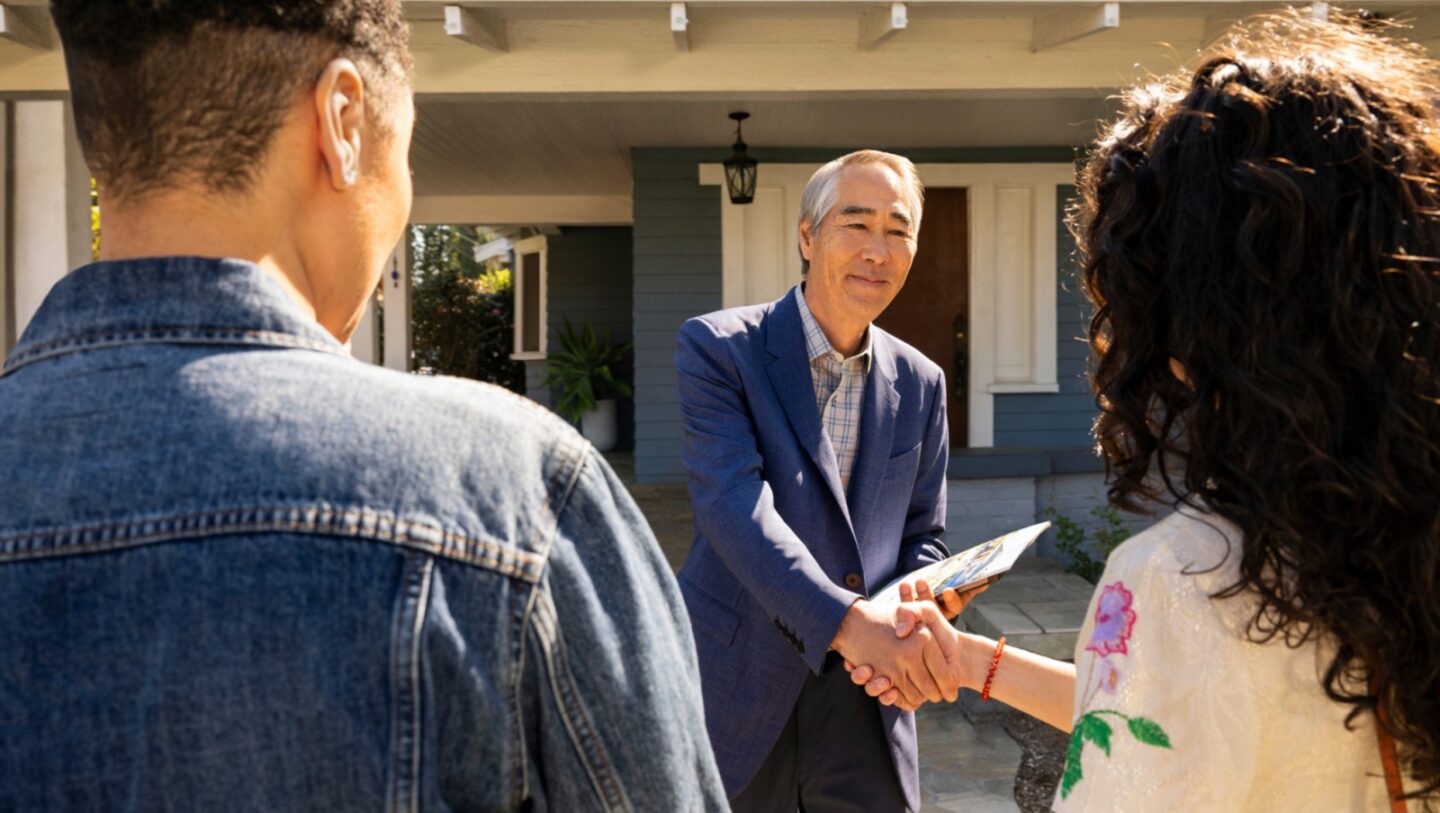
Buying a home is a significant milestone in anyone’s life, and it’s a process that can be both exciting and overwhelming. To navigate the complex world of real estate transactions, many homebuyers turn to professionals known as buyer’s real estate agents. In this guide, we will delve into the role of buyer’s agents, their benefits, and how to choose the right one to help you find your dream home. Buyers real estate agents serve as the anchor in a homebuyer’s journey, providing guidance, expertise, and unwavering support throughout the process of finding and purchasing the perfect property.

Tips to Find and Hire a Buyer's Real Estate Agent | Zillow

What is a Buyer’s Real Estate Agent?

A buyer’s real estate agent, often simply called a buyer’s agent, is a licensed real estate professional who represents the interests of the homebuyer during the purchasing process. Their primary goal is to ensure that you find the right property, negotiate the best terms, and guide you through the entire transaction from start to finish.

Key Responsibilities of a Buyer’s Agent:

  1. Property Search: One of the fundamental roles of a buyer’s agent is to help you find suitable properties that match your criteria. They have access to a wide range of property listings, including those not publicly available, and can save you time by narrowing down your options.
  2. Market Analysis: Buyer’s agents provide valuable insights into the local real estate market. They can help you understand pricing trends, property values, and the current market conditions, allowing you to make informed decisions.
  3. Property Showings: Once potential properties are identified, your agent will schedule and accompany you to property showings, providing expertise and guidance as you assess each property’s suitability.
  4. Negotiation: One of the most crucial roles of a buyer’s agent is negotiating on your behalf. They will work to secure the best price and terms for the property you want, using their knowledge of local market conditions and real estate laws.
  5. Contracts and Paperwork: Real estate transactions involve extensive paperwork and contracts. Your agent will handle all the necessary documentation, ensuring that everything is in order and that your interests are protected.
  6. Coordination: Your buyer’s agent will coordinate with other professionals involved in the transaction, such as inspectors, appraisers, and lenders, to ensure a smooth process.

Benefits of Using a Buyer’s Real Estate Agent:

  1. Expertise: Buyer’s agents are knowledgeable about the real estate market and can provide you with valuable insights and advice throughout the buying process.
  2. Access to Listings: They have access to a vast database of property listings, including those that may not be publicly advertised.
  3. Negotiation Skills: Skilled negotiators, buyer’s agents work to get you the best possible deal on the property you desire.
  4. Time Savings: They can save you time by handling property searches, scheduling showings, and managing paperwork.
  5. Objectivity: Buyer’s agents are unbiased and work solely in your best interests, helping you make informed decisions.

How to Choose the Right Buyer’s Agent:

  1. Experience: Look for an agent with a proven track record and experience in the local market.
  2. Communication: Effective communication is key. Choose an agent who is responsive and listens to your needs and concerns.
  3. References: Ask for references from past clients to gauge an agent’s reputation and reliability.
  4. Fees: Understand how the agent is compensated. In many cases, the buyer’s agent’s fees are paid by the seller, but it’s essential to clarify this upfront.
  5. Licensing and Credentials: Ensure that the agent is properly licensed and belongs to reputable real estate organizations.

Conclusion

A buyer’s real estate agent is an invaluable partner when purchasing a home. They bring expertise, market knowledge, and negotiation skills to the table, ensuring that you find the right property at the best possible terms. By selecting the right buyer’s agent, you can navigate the complex world of real estate with confidence and make your home-buying journey a smooth and successful one.

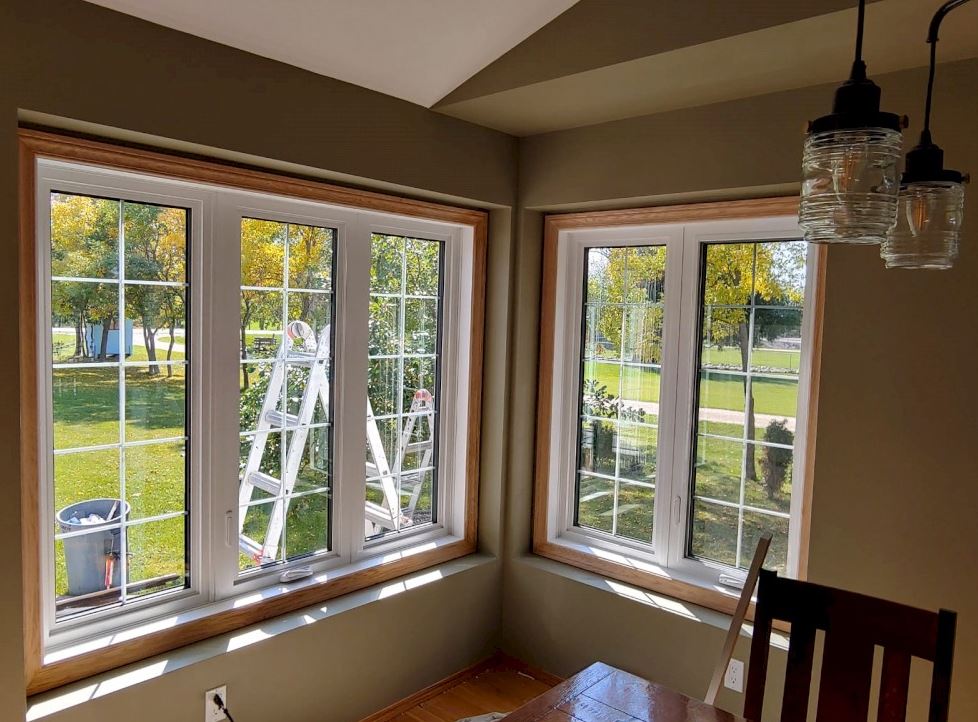
Windows are more than just functional elements in our homes; they are essential for natural light, ventilation, and energy efficiency. When it comes to installing or replacing windows, choosing the right window installation professional is crucial. This comprehensive guide provides valuable insights and advice on how to choose the right window installation professional, ensuring that your window installation near me is executed flawlessly to enhance your home. In this comprehensive guide, we’ll walk you through the steps and considerations to ensure you make an informed decision when hiring a window installation expert.

The Importance of Proper Window Installation

Proper window installation is not just about aesthetics; it impacts the comfort, energy efficiency, and longevity of your home. A well-installed window can:

  • Improve Energy Efficiency: Sealed and insulated windows help maintain a consistent indoor temperature, reducing heating and cooling costs.
  • Enhance Home Value: Professionally installed windows can boost the overall value and curb appeal of your home.
  • Ensure Safety: Correctly installed windows are crucial for your family’s safety and protection against the elements.

Different Kinds of Bay Windows

Choose the Right Window Installation Professional

1. Research and Gather Recommendations

Start by researching local window installation professionals. Ask friends, family, and neighbors for recommendations. Online reviews and ratings on platforms like Yelp and Google can also provide valuable insights.

2. Check Credentials and Licensing

Ensure that the professionals you consider are licensed and insured. Proper licensing demonstrates their commitment to industry standards and regulations. Insurance protects you and the workers in case of accidents.

3. Evaluate Experience

Experience matters in window installation. Inquire about the number of years the professionals have been in business and their specific experience with the type of windows you want to install.

4. Request References

Ask for references from previous clients. Reach out to these references to learn about their experience with the installation professional, including the quality of work, communication, and any issues encountered.

5. Obtain Multiple Quotes

Don’t settle for the first quote you receive. Get quotes from at least three different window installation professionals. This allows you to compare costs, services, and timelines.

6. Review the Contract

Carefully review the contract before signing. Ensure it includes all details, such as the scope of work, materials to be used, project timeline, and payment schedule. Don’t hesitate to ask for clarification on any terms.

Canadian Choice Windows & Doors
801 Century St, Winnipeg, Manitoba, R3H 3C0
204-813-7699

7. Ask About Warranties

Inquire about warranties for both the windows and the installation. A reputable professional should offer warranties that cover any potential defects or issues that may arise after the installation.

8. Verify Permits and Regulations

Check if your local municipality requires permits for window installation. A professional who is familiar with local regulations can help you obtain the necessary permits and ensure compliance.

9. Communicate Clearly

Effective communication is key to a successful window installation project. Discuss your preferences, concerns, and any specific requirements with the professional. Clear communication ensures your vision is understood and executed.

10. Monitor the Installation Process

While the professionals work on your project, monitor the progress and quality of the installation. Don’t hesitate to ask questions or address concerns promptly.

Conclusion

Choosing the right window installation professional is a crucial step in enhancing your home’s comfort, energy efficiency, and overall value. By following the steps outlined in this guide and conducting thorough research, you can make an informed decision and ensure a successful window installation project.

Remember that your choice of professional can significantly impact the outcome, so take the time to find the right fit for your needs. With the right window installation expert, you can enjoy the benefits of beautiful, energy-efficient, and long-lasting windows in your home.

Moving with Pets and Kids: How Movers Can Help You Manage the Chaos

Moving is a significant life event, and it becomes even more complex when you have young children and pets to consider. The chaos that can ensue during a move with kids and pets can be overwhelming, but professional movers like Brady’s Moving & Storage, Inc. can play a vital role in helping you manage the process more smoothly. In this article, we’ll explore how movers can provide assistance and support to families navigating a move with their beloved children and furry friends.

Reduced Stress for Parents

One of the primary benefits of hiring professional movers when moving with kids and pets is the reduced stress for parents. Movers take care of the heavy lifting, packing, and transportation, allowing parents to focus more on the needs of their children and pets during this transitional period.

Child and Pet Safety

Professional movers are trained to prioritize safety, and this extends to the safety of your children and pets during the move. They can help create secure environments, minimize hazards, and ensure that fragile or hazardous items are appropriately handled and stored.

Efficient Packing and Unpacking

Packing and unpacking can be time-consuming and challenging tasks, especially with little ones and pets demanding attention. Movers handle these tasks efficiently, freeing up your time to tend to your children and pets. This means that your new home can become a safe and familiar space more quickly.

Special Handling for Pets

Movers often encounter families with pets and can provide advice on how to best transport them. They can help ensure that your pets are comfortable during the move and offer tips for making the transition smoother. Additionally, they can handle pet-related items, such as crates and carriers, with care.


Brady’s Moving & Storage, Inc.
251 Boeing Ave, Chico, California, 95973
530-342-1869

Efficient Furniture Placement

Professional movers can assist in placing furniture in your new home according to your specifications. This can be especially helpful for families with young children who may need specific furniture arrangements to create safe play areas or bedrooms.

Time Management

Professional movers adhere to schedules and timelines. This ensures that the move progresses efficiently and stays on track, reducing the disruption to your family’s routine. This predictability can be reassuring for children and pets who thrive on consistency.

Reduced Physical Strain

Moving can be physically demanding, and it’s essential for parents to conserve their energy for caring for their children and pets. By hiring movers, you reduce the physical strain on yourself, allowing you to stay attentive and responsive to the needs of your family.

Focus on Emotional Support

Moving can be an emotional time for children, who may feel anxious or unsettled. Parents can offer emotional support more effectively when they aren’t overwhelmed by the logistics of the move. Movers take care of the practical aspects, allowing parents to be there for their children emotionally.

Stress Reduction for Pets

Pets can also experience stress during a move. Professional movers can help minimize this stress by ensuring that pets are transported safely and comfortably. They can also assist with creating a designated space for pets in your new home.

Moving with kids and pets is undoubtedly a challenge, but professional movers can be invaluable allies in managing the chaos. Their expertise in efficient packing, safety, and logistics allows parents to focus on the well-being of their family members, both two-legged and four-legged. By enlisting the help of movers, you can navigate the complexities of a move more smoothly and ensure a smoother transition for your loved ones.

The Future of Web Design: Emerging Technologies

Web design is an ever-evolving field, with new technologies constantly reshaping the way we create and interact with websites. As we look ahead, it’s clear that the future of web design will be shaped by a range of emerging technologies that promise to revolutionize the online experience. In this article, we will explore some of these cutting-edge technologies and their potential impact on the future of web design and learn all about it.

  1. Artificial Intelligence (AI)

AI is poised to play a significant role in web design. Design tools powered by AI can analyze user behavior, preferences, and demographics to create personalized web experiences. They can generate content, optimize layouts, and even predict user actions. AI-driven chatbots and virtual assistants will also enhance user interactions, providing instant support and guidance.

  1. Voice User Interface (VUI)

With the proliferation of voice-activated devices like smart speakers and virtual assistants, VUI is becoming increasingly important in web design. Websites will need to be optimized for voice search and navigation, with a focus on natural language processing and voice command integration. This will require a reimagining of content presentation and user interactions.

  1. Augmented Reality (AR) and Virtual Reality (VR)

AR and VR technologies are transforming web design by offering immersive experiences. In the future, websites may incorporate AR overlays for product visualization, interactive tours, or real-time information display. VR can provide users with fully immersive environments for gaming, training, or virtual showrooms, demanding innovative design approaches.

  1. Progressive Web Apps (PWAs)

PWAs are web applications that combine the best of web and mobile apps. They offer fast loading, offline capabilities, and push notifications, blurring the lines between websites and native apps. PWAs are set to become the standard for web design, as they provide a seamless and engaging user experience across devices.

  1. Blockchain Technology

Blockchain is not just about cryptocurrencies; it can revolutionize web design by enhancing security, transparency, and trust. It can be used for identity verification, secure transactions, and protecting intellectual property rights. Blockchain-driven web design will prioritize data privacy and user control.

  1. Responsive and Adaptive Design Evolution

As new devices and screen sizes continue to emerge, responsive and adaptive design will evolve. Web designers will need to consider a wider range of form factors, including foldable screens, wearables, and flexible displays. The focus will be on creating adaptable designs that look and function flawlessly on any device.

  1. Web 3.0 and Decentralization

The next phase of the internet, often referred to as Web 3.0, emphasizes decentralization and user ownership of data. Web designers will need to adapt to this paradigm shift by creating decentralized applications (dApps) and user-centric interfaces that prioritize privacy and data control.

The future of web design is a dynamic landscape shaped by emerging technologies that will redefine how we create and experience websites. As AI, voice interfaces, AR/VR, PWAs, blockchain, and other innovations continue to mature, web designers will face both exciting opportunities and new challenges. Staying up-to-date with these technologies and embracing a user-centric approach will be essential to creating compelling, engaging, and future-proof web designs in the years to come. In this rapidly evolving field, adaptability and creativity will be the keys to success.

In the high-stakes game of real estate, negotiations are where fortunes are made or lost. Whether you’re a seasoned investor or a first-time homebuyer, knowing the right negotiation tactics can save you thousands of dollars. When looking for the best realtor lake havasu, it’s essential to learn about real estate negotiation tactics that can save you thousands. In this article, we’ll explore some tried-and-true strategies that can give you the upper hand when it comes to real estate negotiations. So, let’s dive in and uncover the secrets to securing the best deal possible.

1. Do Your Homework

Before entering into any real estate negotiation, it’s essential to do your homework. Research the local market thoroughly. Understand property values in the area, recent sales, and current market trends. Armed with this knowledge, you’ll be better equipped to make informed decisions during negotiations.

2. Set Your Budget and Stick to It

Knowing your budget is crucial in negotiation. Determine the maximum price you’re willing to pay and stick to it. Emotions can run high in real estate transactions, but discipline is your ally. Avoid getting caught up in bidding wars that can lead to overpaying for a property.

What helps to sell your property fast? | AjmanProperties

3. Leverage a Buyer’s Agent

Hiring a skilled buyer’s agent can be a game-changer. These professionals have access to market data, negotiation expertise, and can act as a buffer between you and the seller. Their goal is to secure the best deal for you, making them invaluable assets in the negotiation process.

4. Start Low but Not Too Low

When making an initial offer, it’s common practice to start lower than your maximum budget. However, be careful not to insult the seller with an excessively low offer. A reasonable but slightly below asking price offer can signal your interest without alienating the seller.

5. Focus on Seller’s Motivation

Understanding the seller’s motivation can be a powerful negotiation tool. Are they in a hurry to sell? Are there any pressing financial concerns? Tailor your negotiation strategy to align with the seller’s needs. This can lead to more favorable terms for you.

6. Use Contingencies Wisely

Contingencies can protect you during negotiations. These clauses allow you to back out of the deal if specific conditions aren’t met, such as a satisfactory inspection report. However, using too many contingencies can deter sellers. Strike a balance to protect your interests while keeping the seller engaged.

7. Be Prepared to Walk Away

One of the most potent negotiation tactics is being willing to walk away. If the deal doesn’t meet your criteria, don’t be afraid to move on. This mindset can put pressure on the seller to make concessions.

8. Negotiate More Than Just Price

Remember that real estate negotiations involve more than just the purchase price. You can negotiate terms such as the closing date, repairs, and even inclusion of appliances or furniture. Explore these options to sweeten the deal.

Conclusion

Negotiating in real estate can be a complex and emotionally charged process, but it’s a skill worth mastering. By following these tactics, you can save thousands of dollars on your real estate transactions. Remember to do your research, set a budget, and leverage the expertise of a buyer’s agent. Focus on the seller’s motivation, use contingencies wisely, and be prepared to walk away if necessary. Negotiating effectively is an art, and with practice, you can become a savvy negotiator in the world of real estate.

Are you ready to embark on the exciting journey of buying your first home? Purchasing a home is a significant milestone in anyone’s life, and it’s essential to make informed decisions throughout the process. Embarking on the journey from renting to owning a home is an exciting adventure, and our guide will illuminate your path to finding and securing the perfect Charleston WV houses for sale to call your own. In this comprehensive guide, we’ll delve into insider secrets and invaluable tips that will help you navigate the complex world of real estate like a pro. By the time you finish reading this article, you’ll be well-equipped to make the best choices when buying your first home.

Understanding Your Budget

Financial Preparedness

Before you start browsing listings and attending open houses, it’s crucial to assess your financial readiness. Here are the key steps to ensure you’re financially prepared:

Determine Your Budget

The first step in buying a home is setting a budget. Calculate your total income, including your savings, investments, and any financial assistance you may receive. Then, subtract your existing debts and monthly expenses. The remaining amount is a good starting point for your home-buying budget.

Save for a Down Payment

A substantial down payment can significantly impact your mortgage terms and overall financial stability. Aim to save at least 20% of the home’s purchase price as a down payment to avoid private mortgage insurance (PMI) and secure a more favorable interest rate.

Choosing the Right Location

Location Matters

One of the most critical factors in buying a home is the location. Your choice of neighborhood can affect your daily life, commute, and property value. Here’s how to make an informed decision:

Research Local Communities

Start by researching different neighborhoods in the area where you want to buy. Consider factors such as safety, school districts, proximity to work, public transportation, and amenities like parks and shopping centers.

Home Loan vs Renting: Which is a better option in the long term? | Zee  Business

Visit Open Houses

Attending open houses in your desired neighborhoods can give you a firsthand look at available properties and a sense of the community’s atmosphere. Take notes, ask questions, and visualize yourself living there.

Working with Real Estate Agents

The Role of a Real Estate Agent

A seasoned real estate agent can be your greatest ally when buying a home. They possess insider knowledge, negotiation skills, and access to listings that can make your journey smoother. Here’s how to find the right agent:

Research Local Agents

Start by researching real estate agents who specialize in the area where you plan to buy. Read reviews, ask for referrals from friends and family, and check their credentials.

Interview Potential Agents

Set up interviews with a few agents to assess their compatibility with your needs and preferences. Ask about their experience, recent successes, and their approach to helping first-time buyers.

Navigating the Mortgage Process

Securing the Right Mortgage

Choosing the right mortgage is a critical step in the home-buying process. Here’s what you need to know:

Types of Mortgages

There are various types of mortgages available, including fixed-rate, adjustable-rate, FHA, and VA loans. Each has its advantages and disadvantages. Your choice should align with your financial situation and long-term goals.

Preapproval

Getting preapproved for a mortgage is essential before you start house hunting. It demonstrates to sellers that you’re a serious buyer and provides a clear picture of your budget.

The Home Inspection

Ensuring a Wise Investment

Never underestimate the importance of a home inspection. It’s your opportunity to uncover any hidden issues with the property. Here’s what to consider:

Hire a Professional Inspector

Always hire a qualified home inspector to thoroughly assess the property. They will look for structural issues, electrical problems, plumbing issues, and other potential concerns.

Negotiate Repairs

If the inspection reveals any issues, don’t hesitate to negotiate with the seller. You can request repairs or a reduction in the sale price to cover the cost of fixing the problems.

Closing the Deal

Finalizing Your Home Purchase

Congratulations, you’ve found your dream home! Now it’s time to close the deal:

Review the Closing Documents

Before the closing date, carefully review all the documents provided by your lender and the seller. Ensure that all terms and conditions align with what you agreed upon.

Perform a Final Walkthrough

On the day of closing, conduct a final walkthrough to verify that the property is in the agreed-upon condition. This is your last chance to address any issues before signing the paperwork.

Conclusion

In conclusion, buying a home like a pro requires careful planning, research, and attention to detail. By following the insider secrets and tips outlined in this guide, you’ll be well-prepared to make informed decisions throughout your first-time home-buying journey. Remember that knowledge is power, and with the right guidance, you can confidently step into the world of real estate and secure the home of your dreams.


Tackling Bathroom Remodels: The Role of Plumbers in Renovation Projects

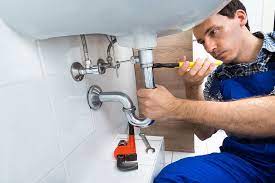
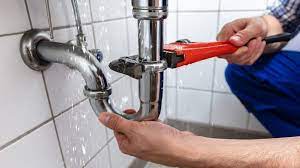
Bathroom renovations are among the most popular home improvement projects, offering homeowners the opportunity to update their spaces for both aesthetics and functionality. Plumbers play a crucial role in bathroom remodels, as they ensure that the plumbing system is correctly installed or updated. Here’s an overview of the role of plumbers in bathroom renovation projects:

Assessing Existing Plumbing:

Before any renovation work begins, the existing Bloomington Plumbing system will be accessed. This evaluation helps identify the condition of the plumbing, potential issues, and any necessary upgrades. It ensures that the new design aligns with the existing plumbing infrastructure.

Fixture Relocation:

If you plan to relocate fixtures such as sinks, toilets, or showers, a plumber will handle the necessary adjustments to the plumbing lines. This may involve extending or rerouting pipes to accommodate the new layout.

Fixture Installation:

Plumbers are responsible for installing all plumbing fixtures in the bathroom. This includes sinks, faucets, toilets, showers, tubs, and any additional features like bidets or steam showers. Proper installation is essential to prevent leaks and ensure efficient water flow.

Drain and Vent Systems:

Plumbers design and install drain and vent systems that comply with local building codes. These systems ensure wastewater is carried away effectively, prevent sewage gas from entering your home, and maintain proper pressure in the pipes.

Water Supply Lines:

Plumbers are responsible for installing or rerouting water supply lines to accommodate new fixtures or changes in the bathroom layout. This includes both hot and cold water lines.

Water Heater Upgrades:

If your bathroom remodel involves upgrading to a larger bathtub or adding multiple fixtures, you may need to upgrade your water heater to meet the increased hot water demand. Plumbers can assess your water heater’s capacity and recommend necessary upgrades.

Ensuring Code Compliance:

Professional plumbers are well-versed in local plumbing codes and regulations. They ensure that all work meets the required standards, helping you avoid potential legal and safety issues in the future.

Leak Detection and Prevention:

Plumbers use their expertise to detect and prevent leaks, which can cause significant damage if left undetected. Properly installed fixtures and piping, along with meticulous testing, minimize the risk of leaks.

Coordination with Other Trades:

In larger bathroom renovation projects, plumbers coordinate with other trades, such as electricians and carpenters, to ensure that all components of the remodel come together seamlessly. This coordination is crucial for timely completion and a successful renovation.

Inspection and Testing:

Once the plumbing work is complete, plumbers perform inspections and rigorous testing to ensure that all fixtures and systems function correctly. This includes checking for leaks, verifying water pressure, and assessing drainage.

Post-Installation Maintenance:

Plumbers can provide guidance on post-installation maintenance to ensure the longevity of your new plumbing fixtures and systems. They may also offer services for routine maintenance and repairs in the future.

In summary, plumbers are essential partners in bathroom renovation projects, responsible for ensuring that the plumbing system functions efficiently and safely. Their expertise, knowledge of building codes, and attention to detail play a crucial role in the success of your remodel. When planning a bathroom renovation, it’s essential to include a professional plumber in your project to help you achieve the desired results and enjoy a functional and aesthetically pleasing space for years to come